
In her 2026–27 Union Budget speech, India’s Finance Minister Nirmala Sitharaman did something that might be considered unusual: she spent time talking about trails.
Not urban pavements, but long‑distance mountain routes, coastal “turtle trails” and bird‑watching walks, all framed as tools for jobs, foreign exchange and rural development rather than as a lifestyle or health intervention.
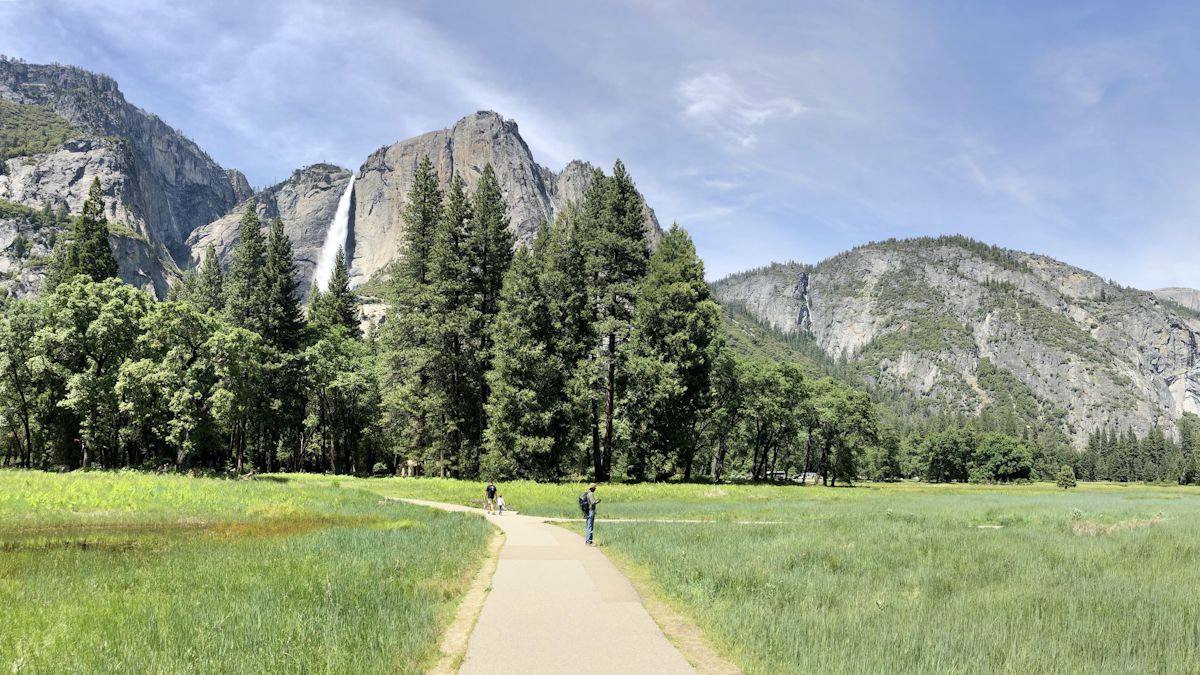
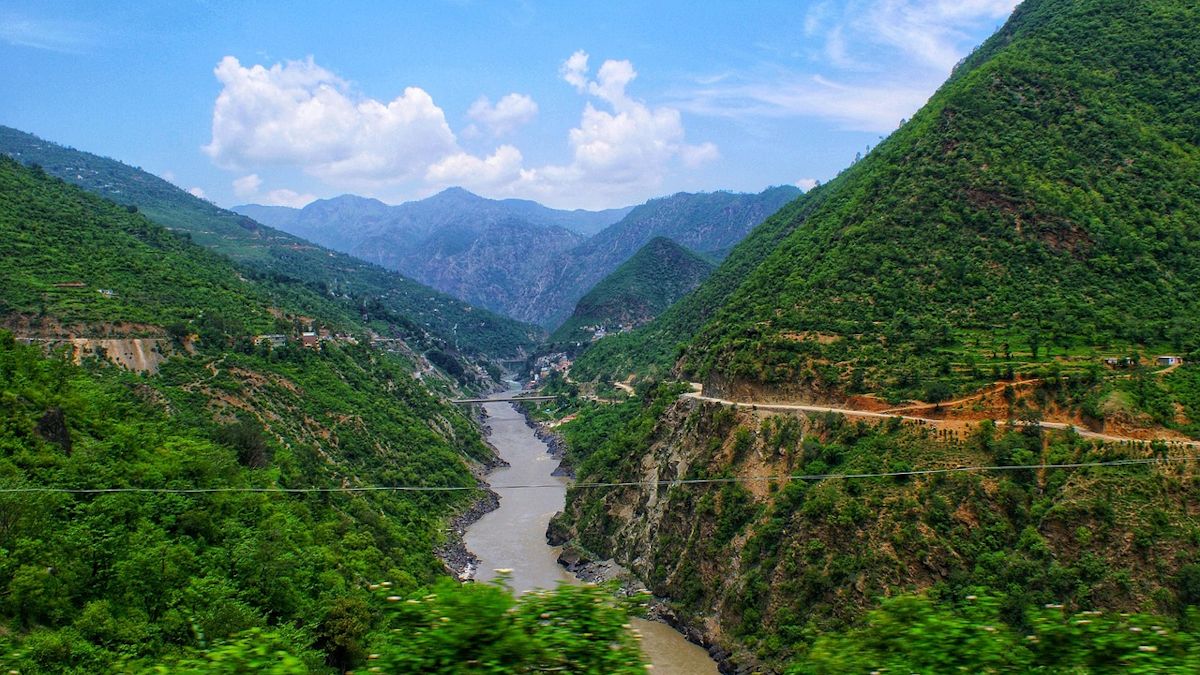
Under a new tourism push, the Budget promises “ecologically sustainable” mountain trails in some of India’s most established trekking regions – Himachal Pradesh, Uttarakhand and Jammu & Kashmir – and in two less international but highly scenic areas, Araku Valley in the Eastern Ghats and Podhigai Malai in the Western Ghats. Sitharaman also announced dedicated “Turtle Trails” along key nesting beaches in Odisha, Karnataka and Kerala, and bird‑watching trails along Pulicat Lake on the Andhra Pradesh–Tamil Nadu border, explicitly linking trekking and wildlife‑oriented walks to eco‑tourism and local employment.
The hiking trails are part of a broader attempt to put tourism “at the core” of economic policy, with a new National Institute of Hospitality, a pilot to upskill 10,000 guides at 20 iconic sites, and a “National Destination Digital Knowledge Grid” to document cultural, spiritual and heritage locations while creating work for local researchers, historians and content creators. There is no parallel pledge to prescribe walking for health; instead, the Budget treats trails as infrastructure – like high‑speed rail corridors or heritage walkways at archaeological sites – designed to pull visitors, spending and skilled jobs into mountain districts, coastal villages and bird‑rich wetlands.
“India has the potential and opportunity to offer world-class trekking and hiking experience. We will develop ecologically sustainable and world-class mountain trails, turtle trails and bird watching trails,” Sitharaman said.
India’s adventure tourism market, which includes trekking and hiking, was valued at $16.7bn in 2024 and is projected to grow at 17.8% annually through 2033, according to IMARC Group research. The market breaks out trekking specifically as 28% of total adventure tourism revenue.