
A team of researchers and students from Wayne State University’s Eugene Applebaum College of Pharmacy and Health Sciences, School of Medicine, College of Liberal Arts and Sciences and Institute of Gerontology are studying the impact of a backward walking programme on individuals with multiple sclerosis (MS).
The study, “Structural and Functional Changes With 8 Weeks of Backward Walking Training in Multiple Sclerosis: A Case Series,” was published in the January issue of the Journal of Neurologic Physical Therapy.
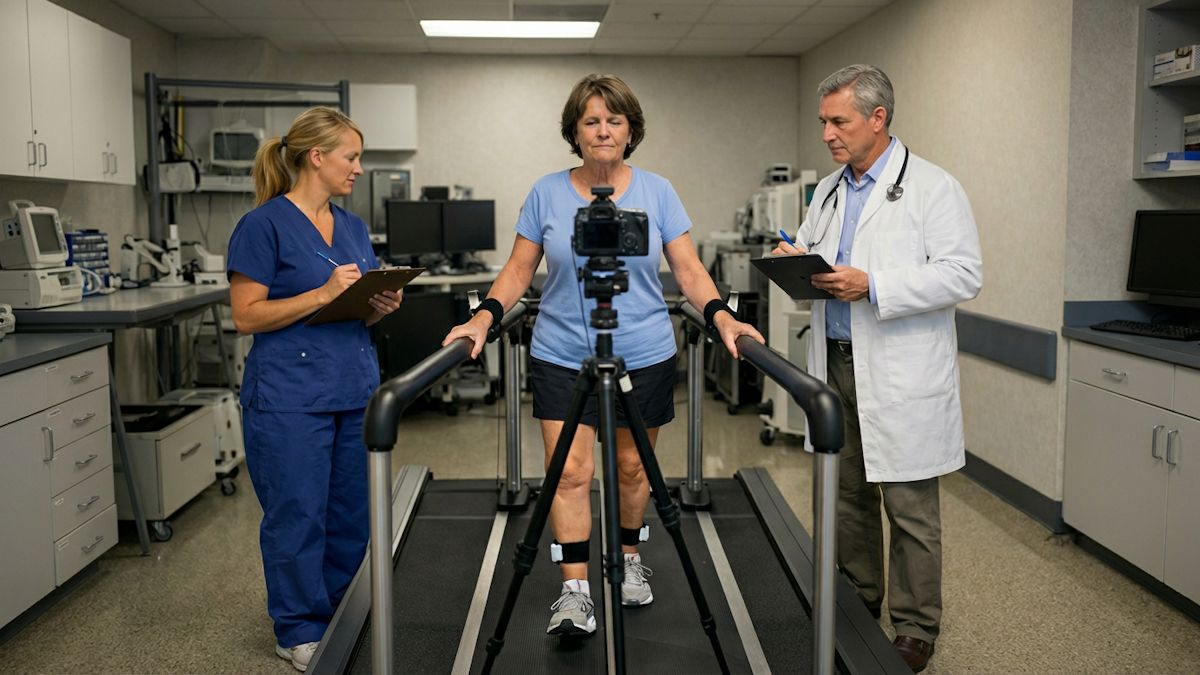
The team, led by Nora Fritz, director of research and professor in the Department of Health Care Sciences in the Eugene Applebaum College of Pharmacy and Health Sciences and the Department of Neurology, School of Medicine, conducted the study to determine if backward walking training could improve mobility, balance and brain structure, and reduce the risk of falling. Participants were involved in eight weeks of treadmill and overground backward walking therapies.
“The results of this pilot trial indicated that backward walking training led to measurable improvements in postural stability and gait speed in a majority of those participating in the study,” Fritz said.
“This suggests that backward walking may trigger positive physical adaptations.”
The authors said additional larger clinical trials are needed to confirm the benefits.
“This novel physical therapy intervention was designed to combat the progressive movement challenges associated with MS,” Fritz said.
“We measured structural changes in the brain’s white matter in three brain regions – the body of the corpus callosum, the superior cerebellar peduncle, and the corticospinal tract. The results of this small trial suggest that this type of therapy may promote neuroplasticity in brain areas related to balance. Our next step is to conduct a larger trial to determine the potential impact this type of therapy may have on all MS patients.”