
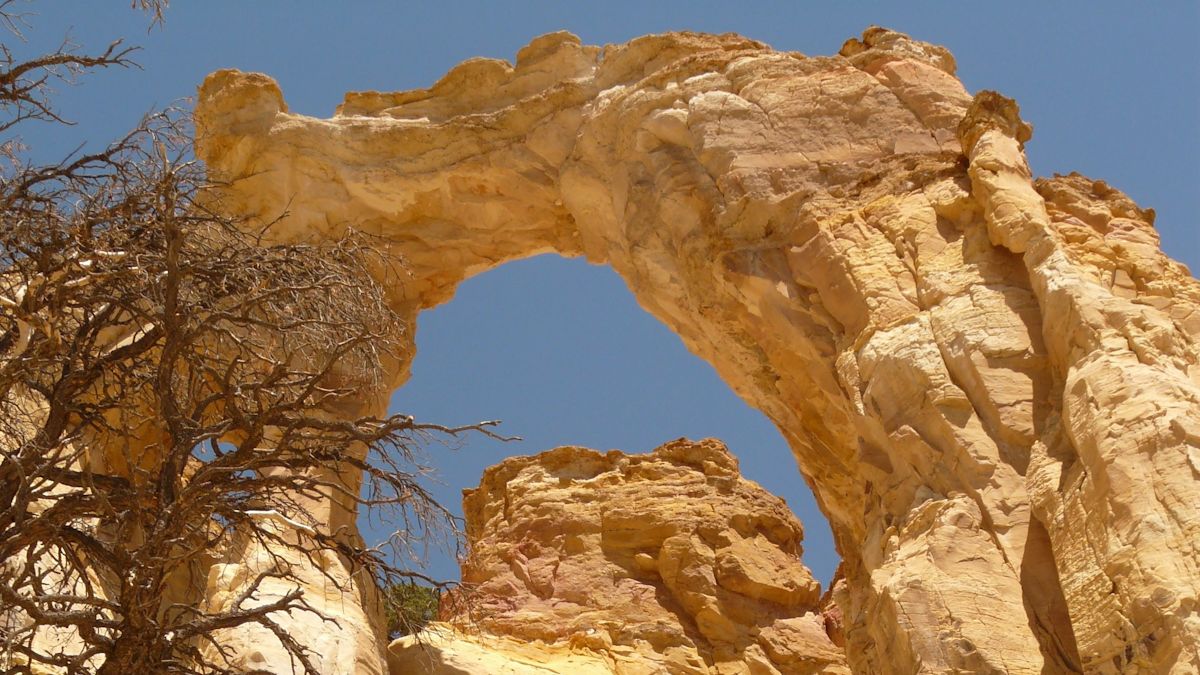
US President Trump has signed proclamations dramatically reducing the boundaries of Bears Ears and Grand Staircase-Escalante National Monuments, stripping protections from nearly 3m acres of America’s public lands.
These proclamations are more dramatic than the administration’s 2017 monument reductions and reopen a fight millions of outdoor enthusiasts believed was settled when the monuments were restored in 2021.
Bears Ears and Grand Staircase-Escalante are world-renowned landscapes that offer exceptional opportunities for hiking, climbing, mountain biking, camping, paddling, and exploring Utah’s spectacular canyon country. National monument protections have helped conserve intact backcountry that make these landscapes places to recreate and support the recreation economies of surrounding communities. Rolling back these protections to open these areas for development and extraction puts conservation values and the outdoor experiences they support at risk.
Outdoor Alliance and member organisations, particularly Access Fund, have spent nearly a decade advocating for these public lands. The organisation said it stood behind Access Fund in supporting the original designation of Bears Ears and fought alongside Tribal Nations and partners across the outdoor community after the monuments were dramatically reduced in 2017.
AllTrails also weighed in on the 90% reduction in the monuments’ size.
“We believe that these landscapes deserve protection, and the public deserves better than watching the lines get redrawn every four years. Three in four Americans oppose the closure of national public lands,” the company said.
“Bears Ears is the home of Indian Creek, Valley of the Gods, and an estimated 100,000 cultural and archaeological sites, places that have been sacred to tribal nations far longer than any national monument has existed. Grand Staircase-Escalante has Lower Calf Creek Falls, and some of the richest dinosaur fossil beds in North America. People hike, climb, and camp in these areas every single day.
“People are recreating in these places, in a range of different ways. In the last two years, there have been 13 different tracked activity types in these regions, including hiking, trail running, mountain biking, horseback riding, and rock climbing. AllTrails has 138 different trail routes across the two monuments, over 45,000 reviews and ratings, 70,000 photos, and significant growth over the last five years.
“Among national monuments, both Grand Staircase and Bears Ears stand out as examples of popular monuments. Grand Staircase is one of the most visited in the monument system, and on AllTrails, outranking popular national parks like Crater Lake, Everglades, and Badlands. Bears Ears, while more remote and less visited, has one of the strongest growth of all parks in the last five years.”
Outdoor Alliance said it is particularly concerned by the proclamations’ treatment of Tribal Nations. The proclamations describe tribes as “stakeholders,” which fails to recognise the relationship between Tribal Nations and the federal government or the Tribal co-stewardship frameworks that guide the management of these landscapes. Those partnerships have strengthened the stewardship of these places while ensuring they remain places where all Americans can connect with history, culture, and the outdoors.
“National monuments reflect what we choose to protect as a nation,” said Adam Cramer, CEO of Outdoor Alliance.
“Bears Ears and Grand Staircase-Escalante tell a story of remarkable landscapes, living cultures, and unforgettable outdoor experiences. Shrinking them by more than 90 percent sends exactly the wrong message about the future of America’s public lands.”
The proclamations leave little doubt about their purpose: to remove monument protections so these landscapes can be opened to mining, drilling, and other industrial development. The Grand Staircase-Escalante proclamation argues that shrinking the monument will “better align the use of these public lands with the public interest.”
The Bears Ears proclamation goes even further, directing that much of the land removed from the monument be reopened within 60 days to new mining claims and other forms of development. Outdoor Alliance rejected that this serves the public interest.
It said the public interest is served by protecting the world-class public lands that millions of Americans hike, climb, camp, paddle, and explore every year—not by sacrificing them to short-term industrial development.
To learn more about Outdoor Alliance and their work, visit www.outdooralliance.org.