
According to new research from Örebro University in Sweden, older people who are physically active have a significantly lower risk of developing sarcopenic obesity – a combination of obesity and weak muscles.
The results indicate that even moderate exercise can make a significant difference.
Sarcopenia is the loss of muscle mass and muscle strength with age. The combination with obesity increases the risk of impaired physical function and mobility, falls and fractures, illness and loss of independence, and more difficult recovery from illness.
Sarcopenic obesity is more common in older adults and is a growing public health problem as the population ages.
The new study, led by Andreas Nilsson, docent in sports science at Örebro University, and his colleague, Fawzi Kadi, shows that physical activity – even at levels below the currently recommended level – is linked to a significantly reduced risk of sarcopenic obesity. This combination involves both high fat mass and low muscle strength, which, in turn, increases the risk of disease, reduced function, and loss of independence in older people.
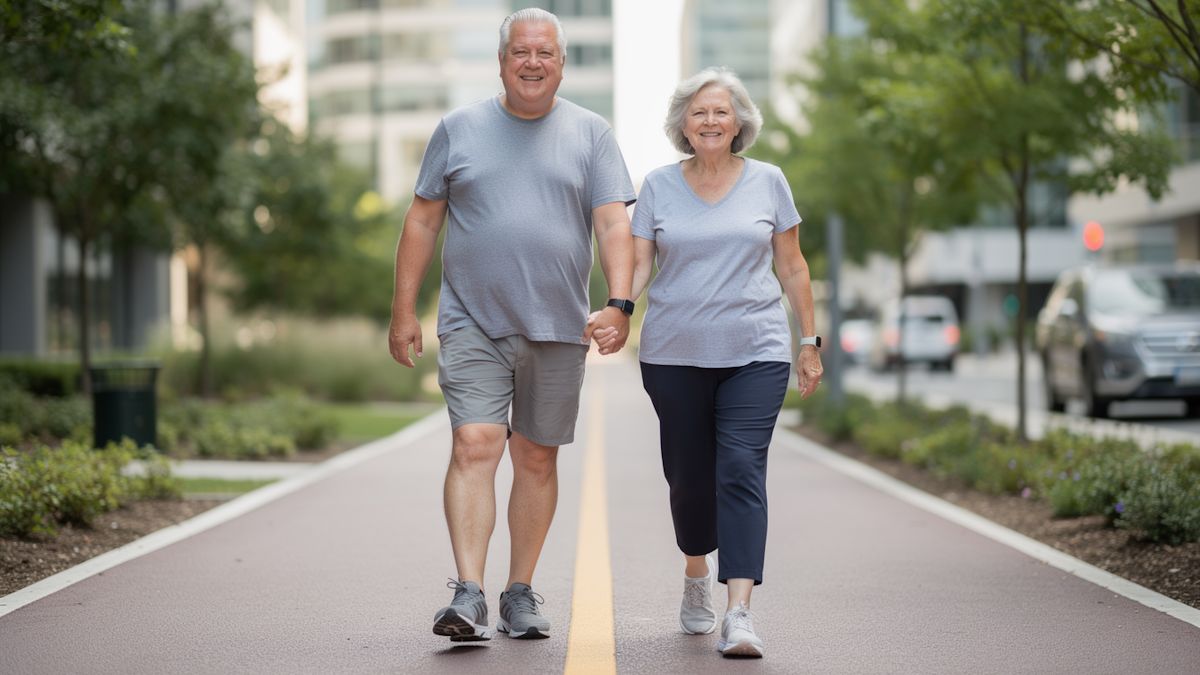
“Our results show that even moderate activity, such as walking at a brisk pace for 75 minutes per week, reduces the risk by up to 50% compared with being completely inactive. The most active participants had up to an 80% lower risk,” Nilsson said.
The study included more than 860 people aged 65–79 in four European countries. Participants’ physical activity was measured using motion sensors. The researchers found that even low-intensity physical activity – such as standing and moving slowly – had a protective effect in older adults who otherwise did not meet the recommended exercise levels.
“For those who are unable to engage in more strenuous physical activity, it can still be very valuable to reduce the time spent sitting still – all physical activity counts,” Nilsson said.
The results have been adjusted for other factors, including diet, inflammation and muscle-weakening diseases. The study was published in the Journal of Cachexia, Sarcopenia and Muscle.
“Physical activity has a clear link to better muscle health and lower levels of inflammation. This strengthens the case for promoting movement as an important part of healthy ageing,” Nilsson said.