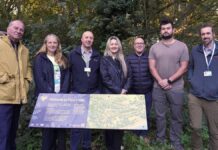

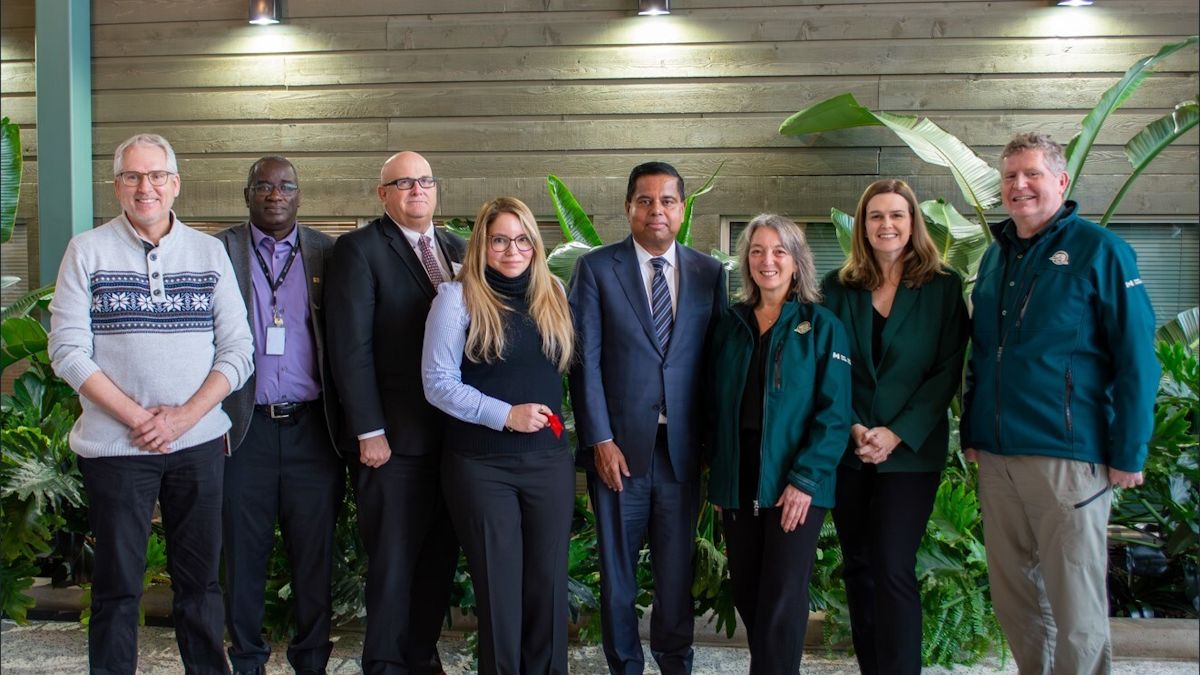
The Honourable Gary Anandasangaree, Minister of Public Safety, and the Honourable Julie Dabrusin, Minister of the Environment, Climate Change and Nature, announced the awarding of a $9.47m contract to improve Rouge Beach and Marsh in Canada’s first national urban park.
The investment will help restore habitats, improve visitor facilities and enhance accessibility in one of the park’s most popular and ecologically significant areas, marking a key milestone in Rouge National Urban Park’s 10th anniversary year.
Rouge National Urban Park is within one hour’s drive of 20% of Canada’s population and accessible by public transit. It provides unparalleled opportunities to explore a diverse landscape of forests, rivers, working farms, trails, marshes, a Lake Ontario beach and 10,000 years of human history.
Together with the recent start of construction on the park’s new visitor, learning and community centre, the Rouge Beach Improvements Project reflects Parks Canada’s commitment to protecting nature, strengthening connections with communities, and enhancing visitor experiences across Rouge National Urban Park.
The project will focus on: a new, accessible 2.3-km formalized trail linking Rouge Beach to Mast Trail; ecological restoration throughout Rouge Marsh; improvements to the upper beach parking area, including a new permanent washroom facility; an improved entrance with an accessible ramp to the new trailhead, beach and marsh; and, the decommissioning and re-naturalizing of the lower beach parking lot.
Shaped through extensive Indigenous, public and stakeholder engagement led by Parks Canada, the Rouge Beach Improvements Project will feature elevated boardwalks and bridges to protect sensitive wetlands while providing safer access to the marsh and beach. It will restore degraded wetland and forest habitat, enhancing conditions for native species and species at risk and include measures to address shoreline erosion and flooding, all of which will support the long-term resilience and sustainability of this popular area for wildlife and visitors.
“Our government is committed to bringing nature closer to people, and Rouge National Urban Park is a perfect example of how nature can thrive right next to our cities. This federal investment in the park’s Beach Improvements Project will restore vital habitats, enhance the visitor experience and accessibility, and ensure the long-term sustainability of Canada’s first national urban park – keeping it a vibrant, healthy space for both wildlife and people alike,” Dabrusin said.
“Rouge National Urban Park is a jewel of the Greater Toronto Area, and our government is committed to preserving its natural beauty and deep-rooted cultural heritage. Led by Parks Canada, this project will strengthen the park’s ecological integrity and offer visitors and local communities a new trail linking the Lake Ontario shoreline to the popular Mast Trail. With renewed facilities, this project will create welcoming spaces for all while safeguarding this treasured landscape for generations to come,” Anandasangaree said.
Rouge National Urban Park spans more than 79 square kilometres in the Greater Toronto Area and is one of the largest urban parks in North America. It is home to more than 2,000 species of plants and animals, working farms, Indigenous heritage sites and some of the region’s most important watersheds and wetlands, and lies at the northern edge of the Carolinian Life Zone, a type of forest ecosystem that supports a rich diversity of life.